
High blood pressure: 11 natural strategies to keep it under control and protect the heart
What is blood pressure and why it is important to monitor it
Blood pressure is the force with which blood, pumped by the heart, pushes against the walls of the arteries. The heart functions as a pump that, beat after beat, sends oxygenated blood to all the tissues and organs of the body.
When this strength is too high persistently, it is called hypertension.Hypertension is often referred to as a "silent killer," because in many cases it gives no obvious symptoms and one can feel perfectly well despite having altered values-that is why it is important to have regular checkups.
But what are the ideal values? For most adults, the goal is to maintain a blood pressure below 120/80 mm Hg; while a pressure above 140/90 mm Hg requires medical attention and monitoring.
The risk of hypertension increases with age, but it is useful to start monitoring blood pressure as early as age 40, or even earlier if there is a family history or other risk factors. The good news is that with a healthy lifestyle we can prevent and control hypertension, while also reducing the risk of needing medication.
Here are 11 effective, evidence-based strategies for keeping pressure under control.
11 ways to keep blood pressure under control without medication
1. Lose weight and control the waistline
Excess body weight is a major factor in raising blood pressure. Slimming down gradually helps reduce it naturally: every pound lost can lower blood pressure by about 1 mm Hg.
2. Doing regular physical activity
Regular physical activity, lowers blood pressure by 5-8 mm Hg, keeps arteries elastic and improves overall well-being
Ideally, at least 30 minutes a day of brisk walking, swimming, bicycling, dancing or light jogging should be alternated with strength training exercises 2 times a week. However, it is always recommended to consult your doctor before starting an intense program.

3. Follow a healthy diet
A diet rich in fruits and vegetables, whole grains, legumes, oily fish, extra virgin olive oil, low-fat dairy products and low in saturated fats and simple sugars can reduce blood pressure by up to 11 mm Hg.
4. Reduce salt and sodium consumption
Excess sodium increases blood pressure; the goal is to consume less than 5 g of salt per day. Some practical tips practical tips to decrease salt consumption from the diet are, for example, replacing it with spices, herbs, and lemon for both cooking and seasoning. Also limit consumption of packaged and processed foods and avoid foods and preparations where the label shows a salt content of more than 0.3 grams per 100 g of product.
5. Increasing potassium intake.
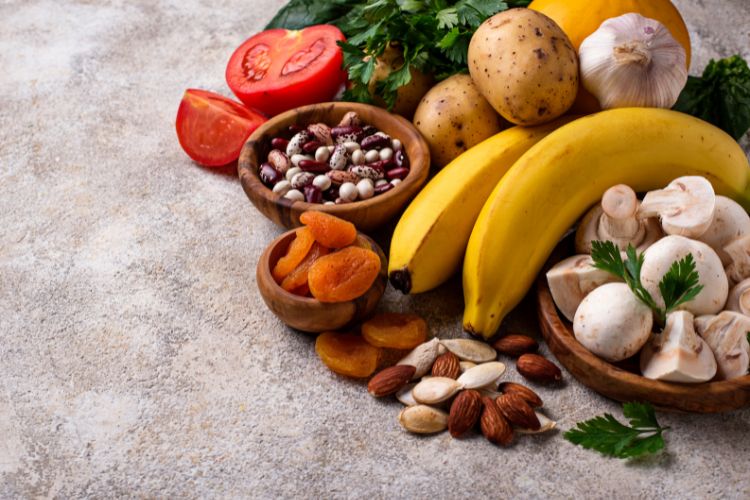
Potassium counteracts the effect of sodium and is present in certain foods that should be included with buina frequency of consumption in one's diet: fruits such as bananas, oranges, avocados, cantaloupe, vegetables such as spinach, tomatoes, beets, among
legumes beans, chickpeas, lentils, and go for baked potatoes but with the skin on, which is rich in potassium, as well as magnesium and selenium
Caution, however, in case of kidney failure, one will always have to follow medical directions regarding nutrition.
6. Limit alcohol consumption
Drinking alcohol in excessive amounts increases blood pressure and reduces the effectiveness of medications. The recommended limit is for women maximum 1 glass, for men 2 glasses per day.

7. Quitting smoking
Smoking causes an immediate increase in blood pressure and damage to blood vessels as well as causing cancer. Quitting smoking is one of the best gifts one can give oneself in life, and the benefits of cessation begin within the first few days.
8. Sleep well
Good sleep helps regulate blood pressure, and the recommended duration is 7-9 hours for ages 18 to 64 while a maximum of 8 hours is sufficient over age 65
It is important to watch out for sleep disorders such assleep apnea that require medical evaluation.

9. Managing stress
Chronic stress is a risk factor for hypertension, here are some useful strategies to combat it such as organizing your day better, practicing relaxing activities such as walking, yoga, meditation, cultivating gratitude with positive thoughts about your life, learning to say no, and reducing excessive loads.
10. Regularly monitor blood pressure
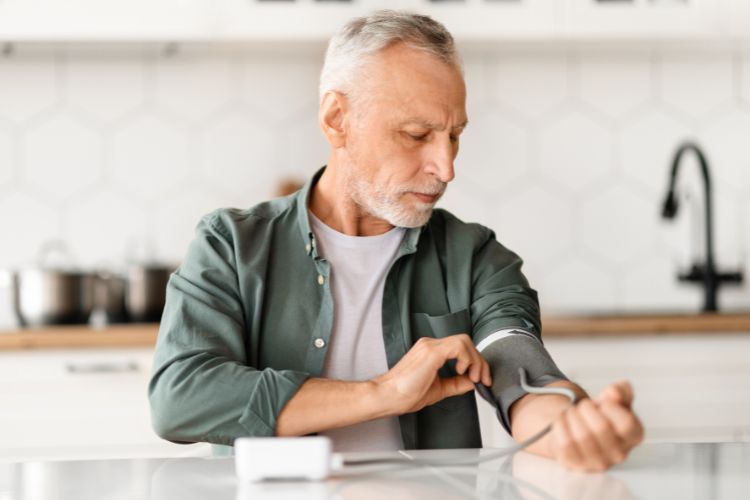
Monitoring blood pressure to be done at home and not just at the doctor's office or pharmacy helps to check the effectiveness of the strategies adopted.
When and how often is it useful to measure blood pressure?
Generally, it is recommended to do it in the morning as soon as you wake up and in the evening before dinner or before bedtime, but your primary care physician can still give you customize frequency guidelines based on your individual situation as well.
How to measure blood pressure correctly:
- Use an electronic arm meter
- Avoid caffeine, alcohol, exertion in the previous 30 minutes
- Sit in a correct and relaxed position
- Make multiple measurements to obtain a reliable average
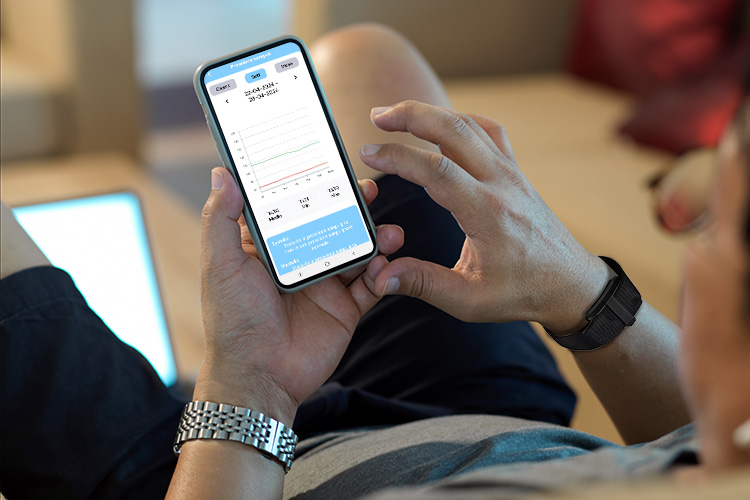
Complementing these point measurements are innovative devices and systems such as, for example, Predictia - developed in collaboration with the University of Bologna and scientifically validated for continuous monitoring-which enable the detection of pressure trends and changes throughout the day and night, even during sleep. This is very important because it is possible to identify any nocturnal spikes that often go undetected with daytime measurements alone and help the physician make more complete diagnoses or suggest further investigations with the cardiologist if needed.
11. Control cholesterol and blood sugar
High LDL cholesterol and high blood sugar increase cardiovascular risk, and the same healthy habits that lower blood pressure also help improve these parameters. It is always important to have regular checkups, especially if there are family risk factors.
Ultimately, lifestyle modification is the first step in preventing and controlling hypertension and protecting cardiovascular health, but of course each situation should be evaluated with the treating physician.
Monitoring yourself regularly and listening to your body is the secret to living better and longer; checking blood pressure readings after age 40 and is basic and now easier thanks to modern technological tools and Artificial Intelligence. Predictia, for example, developed with the help of the Department of Medical and Surgical Sciences at the University of Bologna, is the first comprehensive health monitoring system that can continuously monitor vital parameters, including blood pressure.
Pressure readings are not only taken during the day but also at night during sleep via the smartband. This is very important since it is at night, with the body at rest, that the most dangerous peaks for the heart can occur.
Living better and longer today is no longer to be considered just a blessing but an attainable goal by adopting good habits and systems to keep track of one's health. Being able to share valuable and timely information with your primary care physician makes all the difference in preventing problems today that can potentially become chronic in the future.