
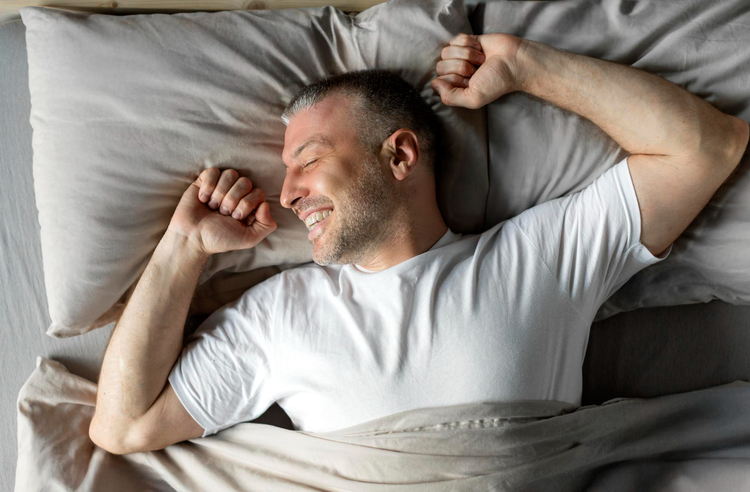
Sleeping well after 50: health, sleep quality and practical tips
Sleep is one of the basic pillars of good health, but as people age, many of those between 50 and 70 notice changes in the quality and duration of their rest.
It's not just "a normal thing about age"; the body goes through physiological and hormonal changes that affect circadian rhythms and the quality of rest. However, getting a good night's sleep after age 50 remains critical for physical, mental, and emotional health.
Why sleep is crucial for Over 50 health
During sleep, our bodies regenerate, consolidate memory and regulate hormones that are essential for physical and mental well-being. In old age, quality sleep brings numerous benefits including:
- Support the immune system by making the body more resistant to infection and inflammation
- Promote memory and cognitive function by reducing the risk of mental decline and dementia
- regulate blood pressure and metabolism while helping in the prevention of diabetes and cardiovascular disease.
- Affect mood by reducing anxiety, irritability, and risk of depression.
According to the Centers for Disease Control and Prevention (CDC), the U.S. national public health agency, the length of sleep needed changes with age, but sleep quality remains critical to health at all ages.
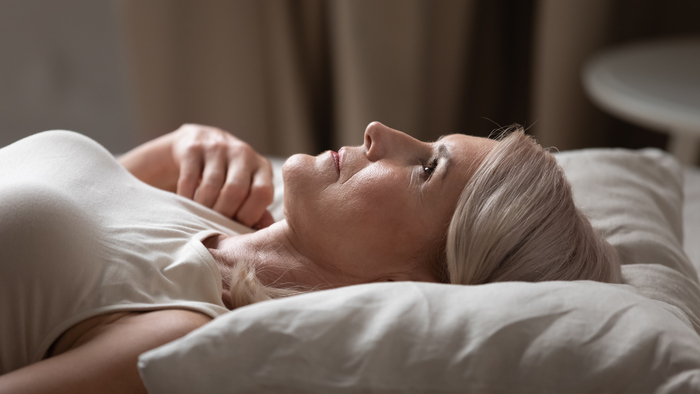
What happens if you don't sleep well?
Insomnia and menopause: why it affects women more
Postmenopausal women experience insomnia more frequently than men of the same age, and this is mainly due to a reduction in estrogen and progesterone, hormones that play a key role in sleep regulation. Nighttime hot flashes, sweating, increased anxiety, and mood changes are factors that disturb rest.
Women also have a higher incidence of associated disorders such as restless legs syndrome and depressive disorders, which worsen sleep quality. Obstructive sleep apnea, which is more common in men, also tends to be underdiagnosed in women because it manifests with different symptoms and contributes to worse sleep
Addressing these disorders requires a targeted approach, including treatment of menopausal symptoms and sometimes management of psychological and emotional factors.
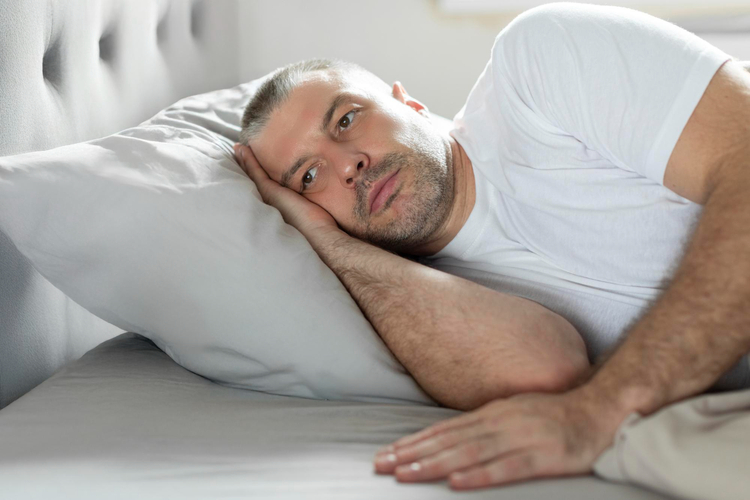
Insomnia in men: underestimated disorders and health risks
Although postmenopausal women are more frequently affected by insomnia, men over 50 are not exempt from sleep disorders. In particular,obstructive sleep apnea is much more prevalent among men, often linked to overweight, obesity, and poor lifestyle habits. This disorder causes frequent nocturnal micro-awakenings that impair sleep quality, although they are not always perceived by the subject.
In addition, men tend to underestimate the symptoms of mild insomnia or difficulty falling asleep, attributing them to work stress or age. However, neglecting these signs can increase the risk of hypertension, arrhythmias, decreased libido, irritability, and cognitive deficits. For this reason, it is important that men also address their sleep disorders seriously and see specialists when necessary.
The consequences of insufficient rest
Insomnia is one of the most common sleep disorders in adults after age 50. It involves not only the difficulty falling asleep, but also frequent awakenings, light sleep, and the feeling of not feeling rested when waking up. It is important not to be satisfied with just treating the symptoms with any medications to facilitate a restful night's sleep but to investigate the root causes, which may include anxiety, depression, joint or musculoskeletal pain, hormonal imbalances or simply bad habits.
For example, a study published by the American Academy of Sleep Medicine found that 56 percent of people aged 65 and older had a high risk of the obstructive sleep apnea mentioned earlier, but only 8 percent of these had undergone diagnostic testing.
Neglecting insomnia or procrastinating disturbed sleep over time can lead to long-term effects, impacting quality of life and social relationships as well as causing sometimes serious disorders:
- weight gain
- Increased likelihood of developing diabetes due to insulin dysregulation
- Heart problems, including hypertension and arrhythmias with risk of cardiovascular disease
- Deterioration of cognitive abilities with accelerated decline and memory impairment
- Weaker immune system, with increased exposure to seasonal diseases
- Increased risk of depression and mood disorders
- falls and injuries, due to fatigue and slowed reflexes.

False myths about sleep after age 50
- "After a certain age you need less sleep"
Adults aged 50 to 70 still need 7 to 8 hours per night, as indicated by the National Sleep Foundation. - "Night awakenings are normal, just accept them"
Not entirely true. It is common to wake up more often, but if sleep remains unrestorative, it is important to investigate the causes. - "A glass of wine helps you sleep better"
Alcohol may promote early falling asleep but disrupts the deep stages of sleep. - "Taking drugs to promote sleep is the only way to solve the problem."
Only in the short term. Chronic use can impair sleep quality and create dependence.
Addressing insomnia or insufficient disturbed sleep often requires a multidisciplinary approach: lifestyle changes, behavioral therapies, stress management, and, in necessary cases, targeted medical interventions.
Healthy habits to improve sleep
There is a set of daily behaviors that promote restorative sleep that can be referred to as "good sleep quality practices." Here are the basic rules:
- Regular routine: go to bed and wake up at the same time, even on weekends.
- Light and dark: expose yourself to natural light during the day, avoid artificial lights (especially blue) in the evening.
- Avoid the afternoon nap, or limit it to 20 minutes by 3 p.m. in the afternoon
- Light diet in the evening: avoid heavy foods, caffeine, alcohol or chocolate after 6 pm.
- Daily physical activity, but never too close to bedtime.
- Room environment: quiet, dark, cool and free of screens.
- Relaxation techniques: reading, meditation, deep breathing or soft music.

How to analyze your own sleep
When getting a restorative night's sleep becomes a feat, it is important to identify what situations are affecting the lack of rest; creating a "sleep diary" noting sleep schedules, awakenings, evening food, mood, and physical activity can give us huge clues to reason about. In extreme cases, when insomnia lingers to the point of affecting physical discomfort from lack of rest during the day, it may be useful to perform prescription polysomnography, a clinical examination that detects complaints such as sleep apnea or periodic limb movements.
Differently, today's technology offers accessible tools to monitor rest in a scientific way, and there are advanced solutions that go far beyond simple smartwatches or the more common fitness trackers, which often offer a superficial and incomplete view of the state of health and night's rest (Apple Watch, Fitbit, etc...)
Innovative tools such as the Predictia evolutionary bracelet are specifically designed to measure vital parameters related to sleep quality but also metabolic health, offering accurate data on heart rate and its variability and oxygenation. Once recorded, the data is then analyzed and reasoned by artificial intelligence algorithms that help scientifically identify possible causes of discomfort so that thoughts and actions can be shared with the physician.

Sleeping well is an investment in quality of life
Sleep is not a luxury, but a biological necessity that, if neglected, compromises our well-being on multiple levels. It is not just about feeling more rested, but about preventing chronic ailments and maintaining mental clarity for as long as possible.
Small lifestyle changes, more attention to one's habits and relying on new personal health monitoring systems are the future for living well and longer.